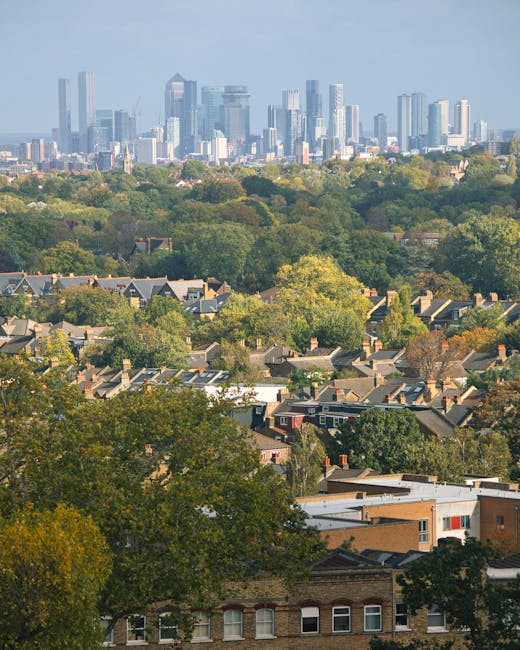
Best gardeners Isle of Dogs for Canary Wharf terraces: a practical guide to getting a terrace garden that actually works
If you live or work around Canary Wharf, you already know terrace gardens are a bit different. They can be bright, breezy, and beautiful, but they also face wind, shade, overlooked corners, and the classic London problem of not quite having enough space for everything you want. Choosing the Best gardeners Isle of Dogs for Canary Wharf terraces is less about finding someone who simply "does gardens" and more about finding a team that understands compact outdoor spaces, planting that survives exposed conditions, and maintenance that keeps things looking sharp through the year.
That matters because a terrace is often the first outdoor space people see. It can feel like an extra room, or it can become a windy storage shelf with a few sad pots. The difference usually comes down to planning, plant selection, and regular care. In this guide, we'll break down what good terrace gardening looks like, how the service works, what to ask for, and how to avoid the mistakes that make London terraces harder work than they need to be. A lot harder, truth be told.
Why Best gardeners Isle of Dogs for Canary Wharf terraces Matters
Terraces around Canary Wharf and the Isle of Dogs are often exposed in ways a back garden simply isn't. Wind tunnels between tall buildings, reflected heat from glass and brick, limited soil depth, and patchy shade all affect what will thrive. Add to that the practical realities of shared access, apartment living, and keeping things neat for neighbours, and the job becomes more specialised than people expect.
That is why the best gardeners in this part of London need more than a neat pair of secateurs. They need judgement. They need to know when to recommend containers rather than beds, when a climber will help soften a wall, and when a low-maintenance scheme will save a client from constant stress. If you've ever watched a newly planted balcony herb box dry out in a week, you'll know what we mean.
On a Canary Wharf terrace, good gardening can do a lot more than improve appearance. It can create privacy, reduce wind exposure, make a small space feel larger, and turn a hard, urban edge into something calm. A well-designed terrace also supports regular use. People sit outside more often when the furniture fits, the planting feels layered, and the space is not fighting back at them every time the weather changes.
For readers exploring wider service support, it is often useful to look at local gardening services in Isle of Dogs alongside targeted options like garden maintenance and landscaping support. Terrace projects often need a mix of the two.
How Best gardeners Isle of Dogs for Canary Wharf terraces Works
A good terrace gardening service usually starts with a site review. Not just "what plants do you like?" but proper questions about sun, wind, access, water supply, weight limits, and how you want to use the space. A practical gardener will look at the terrace at different times of day if possible, because a spot that seems sunny at midday can be surprisingly shaded by late afternoon.
From there, the work typically moves into three linked parts: design, installation, and upkeep. Design is where the shape of the space is planned, including containers, screening, seating zones, and movement paths. Installation covers planting, soil choice, irrigation ideas, and any hard landscaping elements. Upkeep keeps everything alive and presentable, which is really the bit people underestimate. A terrace that looks stunning in May can look tired by August if nobody is checking watering, feeding, deadheading, and pest pressure.
In our experience, the best results come from a simple rhythm:
- Assess the terrace properly and note light, wind, privacy, and drainage.
- Choose a planting style that suits the space, not a magazine image.
- Install reliable containers, soil, and structural features.
- Set a maintenance plan that matches the client's lifestyle.
- Review seasonally and make adjustments rather than forcing the same setup all year.
That final step is the one people forget. Terrace gardens are living systems, not finished products. Even the tidy ones. Especially the tidy ones, maybe.
Where a terrace needs more structure, useful add-ons can include decking services for a cleaner underfoot finish, patio cleaning to refresh hard surfaces, or fencing solutions to improve privacy and help plants feel sheltered.
Key Benefits and Practical Advantages
The obvious benefit is visual. A terrace can look polished, layered, and intentional rather than improvised. But the real value goes deeper than that. Good terrace gardening makes a small outdoor area more usable, and in Canary Wharf that often means more time outside with less maintenance stress.
- Better privacy: screening with planting, trellis, or carefully chosen structures can soften sightlines from neighbouring flats and offices.
- More shelter: well-placed pots, climbers, and screens can reduce the sting of wind.
- Improved atmosphere: a planted terrace feels calmer and more personal than a bare one.
- Smarter space use: compact layouts can separate dining, lounging, and planting zones without clutter.
- Year-round value: evergreen structure and seasonal planting keep the space looking cared for even in colder months.
- Less day-to-day hassle: the right setup means less watering panic and fewer failed plants.
One subtle but important benefit is confidence. People use their terrace more when it feels intentional. You stop thinking, "I should do something out there," and start actually enjoying it with a coffee in the morning or a glass of something cold in the evening. That sounds small, but it changes how the whole home feels.
For terraces that need consistent upkeep, adding a maintenance plan through garden maintenance services or seasonal support from lawn care specialists can make a big difference. Not every terrace has a lawn, of course, but the same principle applies: consistent care beats emergency fixes.
Who This Is For and When It Makes Sense
This kind of gardening is ideal for anyone with a terrace, roof terrace, balcony-style outdoor area, or compact courtyard in or near Canary Wharf. It's especially useful for people who want greenery but do not have the time, confidence, or patience to trial-and-error their way through a full planting scheme.
You might need this service if:
- your terrace gets strong wind and keeps damaging plants
- the space feels overlooked and you want more privacy
- you have planters that look sparse or cluttered
- the terrace is underused because it feels too hot, too shaded, or too exposed
- you want the space to look smart for entertaining or everyday relaxation
- you need a low-maintenance solution because you travel, work long hours, or simply don't want garden chores taking over your weekends
It also makes sense if you are starting from scratch. A blank terrace can be strangely daunting. What size pots? Which compost? How many plants is too many? Do you need screening before planting? These are normal questions, not a sign you are "bad at gardening".
And if the terrace has been neglected for a while, there's still hope. A proper refresh can often be achieved without ripping everything out. Sometimes the job is as simple as removing dead growth, replacing tired containers, and rethinking the planting palette. For rougher spaces, a garden revival approach can be a useful mindset, even on a terrace.
Step-by-Step Guidance
If you want to get the best possible result, the process should feel structured rather than random. Here's a practical way to approach it.
1. Define how you want to use the terrace
Start with behaviour, not plants. Do you want somewhere quiet to read? A place for meals? A greener outlook from inside the flat? A private space for guests? This decision affects everything else, especially layout and container choice.
2. Map the light and wind
Notice where the sun falls in the morning, midday, and late afternoon. Also pay attention to wind. On many terraces, one corner may be almost unusable without shelter, while another is surprisingly protected. That information helps a gardener choose plants that won't sulk and give up by July.
3. Choose the structure first
Privacy screens, trellis, planters, raised features, or even decking may need to come before planting. It is much easier to build around structure than to shove it in later. This is where a local gardener's judgement really earns its keep.
4. Select the right plants for terrace conditions
In exposed urban terraces, the right plant choices are often robust, container-friendly, and visually layered. Think evergreen structure, seasonal interest, and plants with a tolerable growth habit. If privacy is a goal, it may help to explore ideas from fast-growing hedge ideas and adapt them for container or screening use where appropriate.
5. Put watering and drainage on the front foot
Terraces dry quickly. It's just how they are. Good drainage holes, stable pot feet, and a watering routine matter more than many people realise. If a gardener suggests a system that makes watering easier, that's a sign they understand real life, not just design.
6. Add the finishing touches
Once the planting is in, the last stage is refinement: tidy edges, clean paving, matched containers, maybe a small herb corner or a climber for softness. If you want a more relaxed feel, articles like creating a relaxing retreat and container gardening ideas can help shape the brief.
Expert Tips for Better Results
Here's the part that tends to separate a decent terrace from a genuinely good one.
Use layers. A terrace rarely looks best with everything at one height. Mix tall structure, mid-level planting, and lower trailing forms. Even on a tiny space, this adds depth and stops the setup looking flat.
Choose restraint over clutter. A common mistake is cramming in too many small pots. Three well-placed containers often look far better than ten random ones. Less can be more. Annoying, but true.
Think evergreen first, seasonal second. Evergreens give a terrace shape in winter, which is when many outdoor spaces go a bit sorry for themselves. Then add seasonal flowers or herbs for colour and fragrance.
Use scent close to where people sit. If you only have one seating corner, place scented planting nearby so you notice it as you pass. Lavender, herbs, and certain climbers can work nicely in the right setting. For herb inspiration, this herb garden guide is a helpful starting point.
Pick materials that suit London weather. Lightweight but stable containers, weather-resistant finishes, and surfaces that clean easily will save grief later. A terrace doesn't need to be fussy to feel elegant.
Plan for winter from day one. Strong winds and low light change the whole picture in colder months. If your planting only works in June, it's not really a full solution. For protection ideas, weather-proofing advice is worth a look.
Don't ignore maintenance access. The most beautiful planter arrangement in the world is annoying if you can't reach the back row. A good gardener keeps access and upkeep in mind.
Common Mistakes to Avoid
Terrace gardening goes wrong in predictable ways. The upside is that once you know the traps, most are avoidable.
- Choosing plants for looks only: a pretty plant that hates wind or shade will not stay pretty for long.
- Forgetting container weight: especially on balconies or raised terraces, heavy pots and saturated soil can become an issue. Be sensible and ask before filling everything with giant stone planters.
- Using poor drainage: waterlogged roots are a fast route to disappointment.
- Overcrowding the space: if the terrace becomes hard to move around, nobody enjoys it.
- Ignoring privacy early on: it is easier to solve screening before the planting matures.
- Skipping seasonal maintenance: deadheading, feeding, pruning, and rebalancing are not optional if you want things to keep looking tidy.
- Picking the wrong garden style for your habits: if you travel a lot, a high-maintenance display garden is going to become stressful quickly.
Another quiet mistake is assuming the same solution works everywhere in the Isle of Dogs. It doesn't. Even short distance changes in exposure and surrounding buildings can affect results. That's why local experience matters so much.
If the terrace has awkward growth, overgrown screens, or structural shrubs needing a reset, it may be worth exploring professional hedge trimming or, where necessary, tree surgery support to restore light and space.
Tools, Resources and Recommendations
You do not need a shed full of specialist kit to manage a terrace properly, but the right basics help a lot. The best gardeners typically rely on practical tools that make maintenance efficient and predictable.
- quality secateurs for deadheading and light pruning
- long-spout watering can or hose access where possible
- gloves suitable for container work
- pot feet or raisers to improve drainage
- weather-resistant containers
- peat-free compost, chosen for the planting type
- plant ties, canes, and small supports for climbers or taller stems
- a brush or blower for keeping surfaces clear after pruning
On the planning side, the most useful "resource" is often a simple seasonal mindset. For example, early spring is ideal for refreshing structure and feeding growth. Summer is more about watering, deadheading, and managing vigour. Autumn is a good time to tidy, refresh tired soil, and set the terrace up for winter. Winter, in turn, is when protective work and evergreen structure really matter.
For readers who like practical ideas, these guides can be helpful companions: ground cover ideas, vertical gardening, and low-maintenance garden ideas. They're especially useful if you want impact without constant upkeep.
Law, Compliance, Standards, or Best Practice
For most terrace gardening projects, compliance is mostly about good practice rather than dramatic legal complexity. That said, there are some important considerations in London settings.
Weight and structure: terraces and balconies may have structural considerations, so heavy planters, large quantities of soil, or hard landscaping elements should be planned carefully. A sensible gardener will avoid guesswork and raise concerns if something seems too heavy or poorly supported.
Drainage: water should be managed so it does not pool or create nuisance for neighbours below or beside the terrace. This is basic best practice, but it's also one of those things that can cause real problems if ignored.
Access and shared spaces: if the terrace is part of a shared building, work may need to be scheduled with building access rules in mind. Nothing glamorous about that, but it keeps everything civil.
Noise and timing: garden work on apartments and terraces should be planned with neighbours in mind, especially if hedge trimming, power tools, or material deliveries are involved.
Plant safety and practicality: if pets or children use the space, choose planting carefully and avoid anything known to be thorny, irritating, or structurally awkward. A lovely garden that is annoying to move through is not really a win.
Best practice also means keeping the terrace tidy, monitoring water runoff, and maintaining any screening or structural elements before they fail. For privacy and hard boundary solutions, fencing services can support a more secure and polished finish.
Options, Methods, or Comparison Table
Different terraces need different approaches. The right choice depends on space, exposure, and how much maintenance you want to take on.
| Approach | Best for | Pros | Trade-offs |
|---|---|---|---|
| Container-led terrace garden | Most Canary Wharf terraces and compact rooftops | Flexible, attractive, easy to update seasonally | Needs regular watering and feeding |
| Screening and privacy planting | Overlooked or exposed terraces | Softens views, improves comfort, adds structure | May need careful selection to avoid overcrowding |
| Low-maintenance scheme | Busy professionals, rental spaces, frequent travellers | Easy to manage, tidy, consistent appearance | Less seasonal drama and fewer flowering displays |
| Design-led transformation | People wanting a full visual upgrade | Strong impact, better layout, more refined finish | Higher upfront effort and sometimes more materials |
In many cases, a blended method works best. For example, a terrace may use containers for flexibility, evergreen climbers for screening, and a clean hard surface for low-fuss seating. That balance tends to hold up well in real life, not just in photos.
If the hard surfaces need a refresh before planting begins, patio cleaning can make a surprising difference to the overall result.
Case Study or Real-World Example
Picture a typical Canary Wharf terrace: exposed on one side, a bit shaded by a neighbouring building, and used mostly at weekends. The owners want somewhere private enough for breakfast and evening drinks, but they do not want a high-maintenance jungle. Fair enough.
The solution starts with cleaning the surfaces and assessing the layout. One seating zone is kept close to the house for easy use. Taller containers are placed where they can soften the view from nearby buildings. Evergreen structure gives the terrace a year-round backbone, and a few seasonal plants provide colour without overwhelming the space. A small herb section is added near the door so it is easy to pick mint, thyme, or rosemary while cooking.
Over time, the terrace changes in a practical way. It feels calmer, more private, and more like a room. The owners are not constantly replacing dead plants or moving awkward pots around. That's the real mark of a good outcome: it works on a rainy Tuesday, not just on a sunny Sunday in May.
If a space starts from a neglected or cluttered state, this sort of transformation can often be quicker than people expect. The key is not trying to do everything at once. A steady, staged approach usually gives the best result.
Practical Checklist
Use this checklist before hiring or briefing a gardener for a Canary Wharf terrace:
- confirm the terrace's sun, shade, and wind exposure
- decide how you want to use the space day to day
- measure key dimensions and note access points
- check whether privacy is a priority
- ask about container choice, drainage, and watering
- discuss maintenance frequency and seasonal changes
- make sure the design suits your lifestyle, not just your taste
- ask how the work will affect neighbours, access, and timing
- choose plants that suit local conditions, not just a wishlist
- build in a plan for winter protection and spring refreshes
Expert summary: the best terrace gardeners in the Isle of Dogs do three things well: they read the site properly, they choose plants and materials that can handle urban conditions, and they keep maintenance simple enough that the space stays attractive after the excitement of installation wears off. That second bit matters more than people think.
Conclusion
Finding the Best gardeners Isle of Dogs for Canary Wharf terraces is really about finding someone who understands the realities of London terrace living. Space is tight, weather can be awkward, privacy often matters, and the whole point is to create something you'll actually use, not just admire from the window.
When a terrace is designed with care, it becomes part of daily life. Morning light on the leaves, a screen of green against the city, a few well-chosen containers, and a clean surface underfoot - suddenly the space feels like it belongs to you. Not perfect, not precious. Just right.
If you're planning a refresh, a full redesign, or simply want your terrace to stop feeling like hard work, the best next step is to speak with a local team that understands both gardening and the unique conditions around Canary Wharf.
Get a free quote today and see how much you can save.
And if all you do is take one small step this week, that's enough. Good terraces are built gradually, and a calm, green outdoor space is absolutely worth it.
Frequently Asked Questions
What makes the best gardeners for Canary Wharf terraces different from regular gardeners?
They understand compact spaces, wind exposure, privacy needs, container planting, and the maintenance rhythm of terraces in busy urban settings. That local awareness matters more than people realise.
Can a terrace garden stay low maintenance?
Yes, if the design is built around the right plants, sensible container choices, and a realistic maintenance plan. Evergreen structure and drought-tolerant or resilient planting usually help a lot.
What plants work best on exposed terraces in the Isle of Dogs?
Hardier container-friendly plants, evergreen structure, and plants that cope with wind and reflected heat tend to perform better. A good gardener will match the plant choice to the exact conditions rather than guessing.
How do gardeners improve privacy on a Canary Wharf terrace?
They may use screening planting, climbers, trellis, fencing, or a mix of these. The best solution depends on height restrictions, access, and how much light you want to keep.
Is patio cleaning worth doing before terrace planting?
Usually, yes. Clean surfaces make the whole space feel fresher and help the final design look more finished. It also makes it easier to judge what really needs changing.
How often should a terrace garden be maintained?
That depends on the planting style, but many terrace gardens benefit from regular seasonal checks, with more frequent watering and lighter touch-ups during warmer months.
Can I have a terrace garden if the space is mostly shaded?
Absolutely. Shade-tolerant plants, layered containers, and thoughtful structure can still make a big impact. Shady terraces often benefit from texture and evergreen shapes rather than bright sun-lovers.
What should I ask before hiring a gardener for my terrace?
Ask how they handle wind, drainage, watering, privacy, maintenance, and container choices. Also ask whether they have experience with terraces or rooftop-style spaces, not just general gardens.
Do terrace projects usually need landscaping work?
Sometimes they do, especially if the layout needs improving or the surface feels awkward. Even small-scale landscaping can help define zones and make the terrace easier to use.
What are the biggest mistakes people make with terrace gardens?
Choosing plants that cannot cope with the conditions, overcrowding the space, forgetting drainage, and not planning for maintenance are the most common issues. It's a familiar pattern, and an avoidable one.
Can gardeners help if my terrace has been neglected for years?
Yes. Many terrace spaces can be revived with pruning, replacement planting, better containers, and a more practical layout. A fresh start is often easier than people expect.
How do I get started?
Start by defining what you want the terrace to do, then gather a few notes about sun, shade, wind, and access. From there, a local gardener can shape a plan that fits your lifestyle and the space itself.